The Vasilopita gold sovereign: value and checks
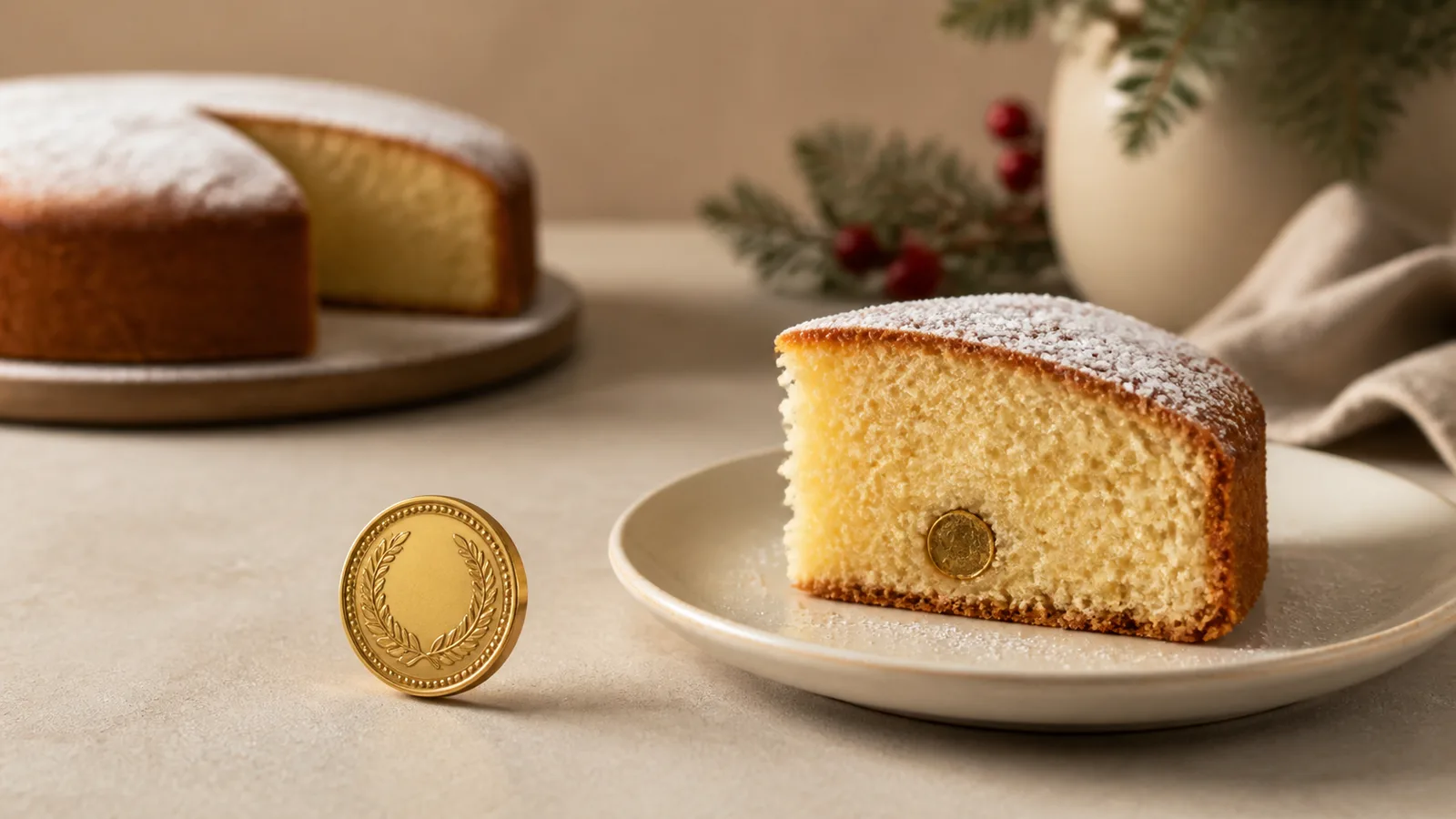
A gold sovereign found in a Vasilopita may have metal value or collector value. Authenticity, identifying features, and condition should be checked before any offer.
Why sovereigns appear during the holidays
Placing a coin in Vasilopita is a tradition associated with good fortune. The tradition itself does not prove that the coin is genuine or establish a particular value.
What affects value
Weight, dimensions, issue features, authenticity, and condition are examined. Some coins may attract collector interest, but age or origin alone does not make that value certain.
When to check authenticity
Testing is useful when weight, edge, or relief details differ from expectations, when the coin is worn, or before a sale. Do not clean the sovereign before inspection.
When the article should be updated
Metal value changes with the gold price. Any numerical example or market reference needs a date, source, and a clear indication that it is illustrative.
FAQs
- When should I appraise a Vasilopita sovereign?
- After removing it safely and before selling it or treating it as a collectible.
- Does it always have collector value?
- No. Collector value depends on issue, scarcity, condition, and demand.
- Can I send a photo?
- Photos can support initial identification but cannot confirm authenticity or a final price.
Related articles
- Gold sovereign: history and value
A sovereign's value is not gold weight alone. Issue, authenticity and condition separate metal value from collector value, and both are checked.
- How to spot a counterfeit gold sovereign
No single sign proves authenticity. Weight, dimensions, appearance, sound and magnet tests give clues. Only the combination decides.
- Gold coins: how a collection is appraised
A collection is appraised coin by coin. Metal, weight, authenticity, condition, year and demand: why not every old coin carries the same value.