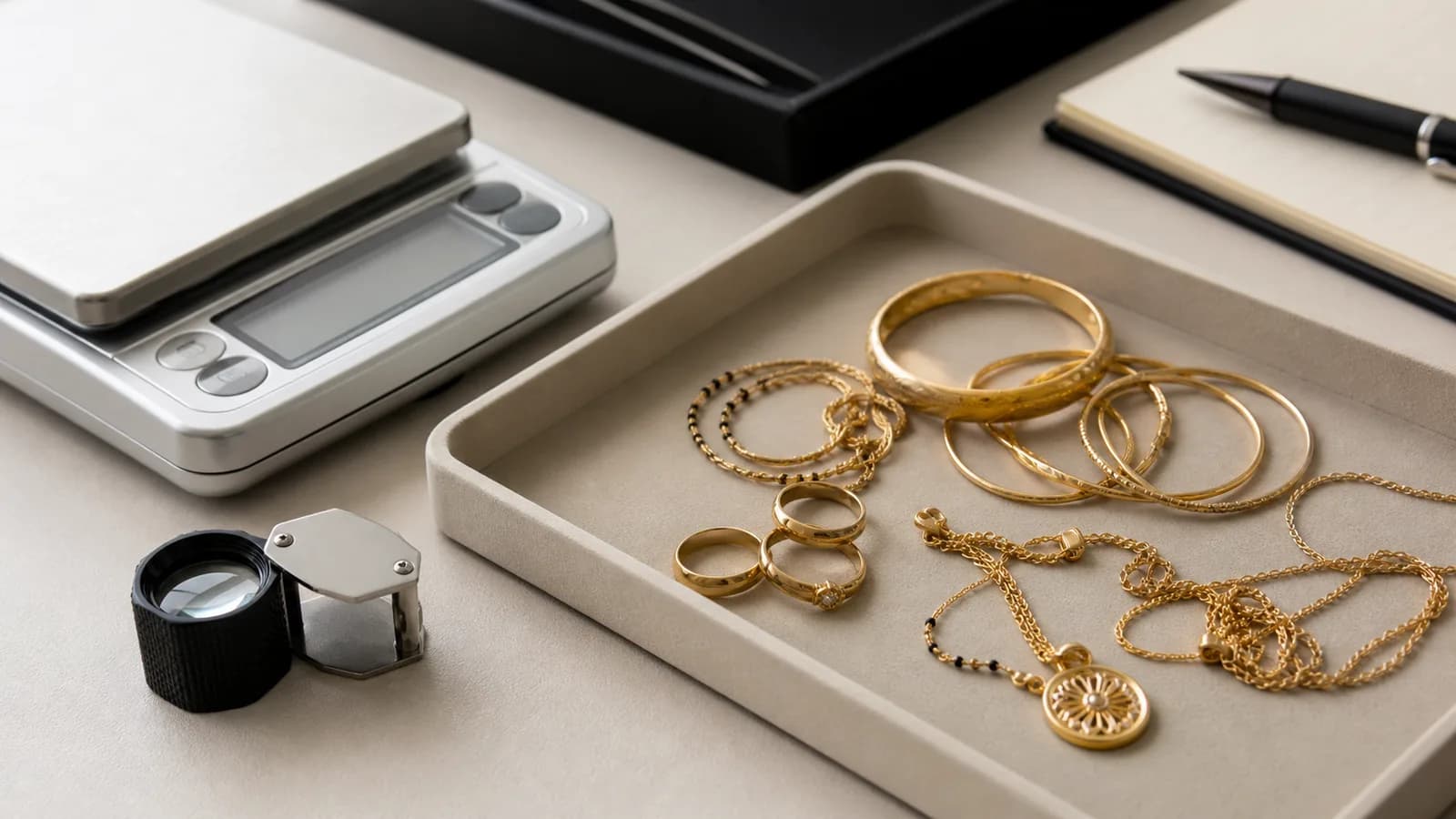
Selling gold jewellery: a practical guide
What sets the offer on gold jewellery: purity, net weight, stones, branded design and documents, and why the price is settled only after inspection.
How value is arrived at for gold, coins, jewellery, silverware and gemstones, and what gets checked before any offer is made.
What sets the offer on gold jewellery: purity, net weight, stones, branded design and documents, and why the price is settled only after inspection.
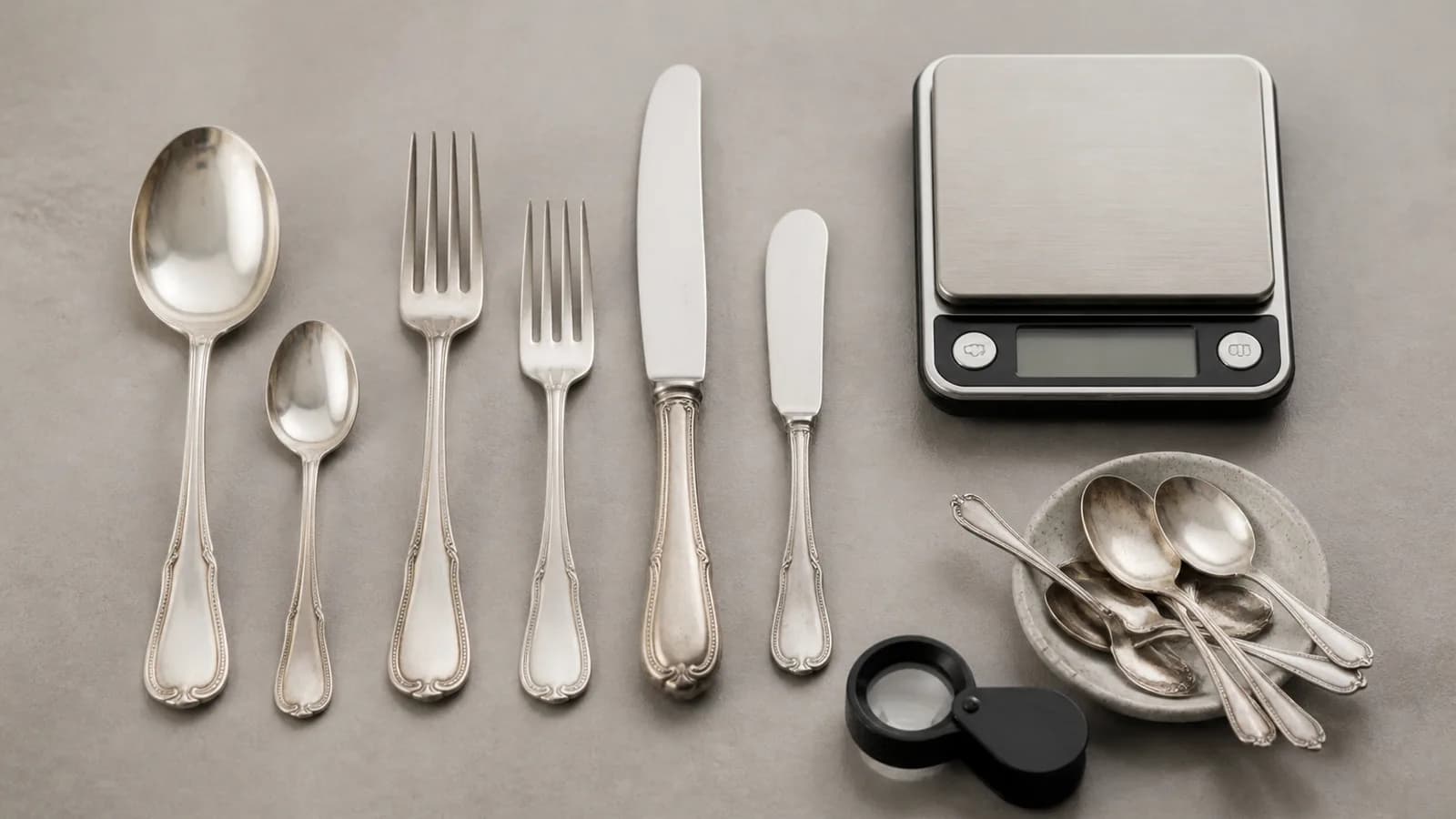
Purity, weight, condition and set completeness decide what silverware is worth, not appearance. How a silverware appraisal is actually read.
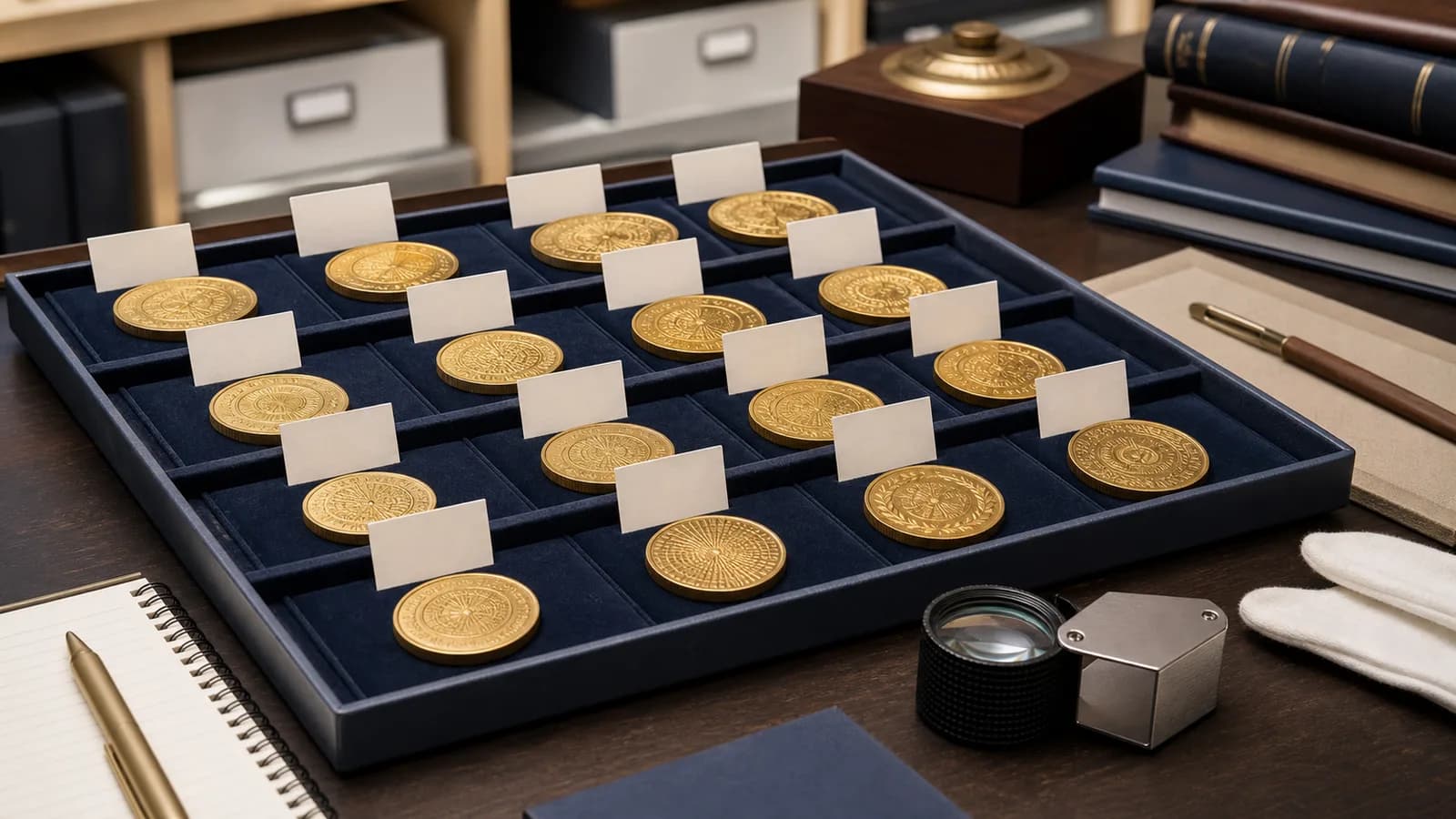
A collection is appraised coin by coin. Metal, weight, authenticity, condition, year and demand: why not every old coin carries the same value.
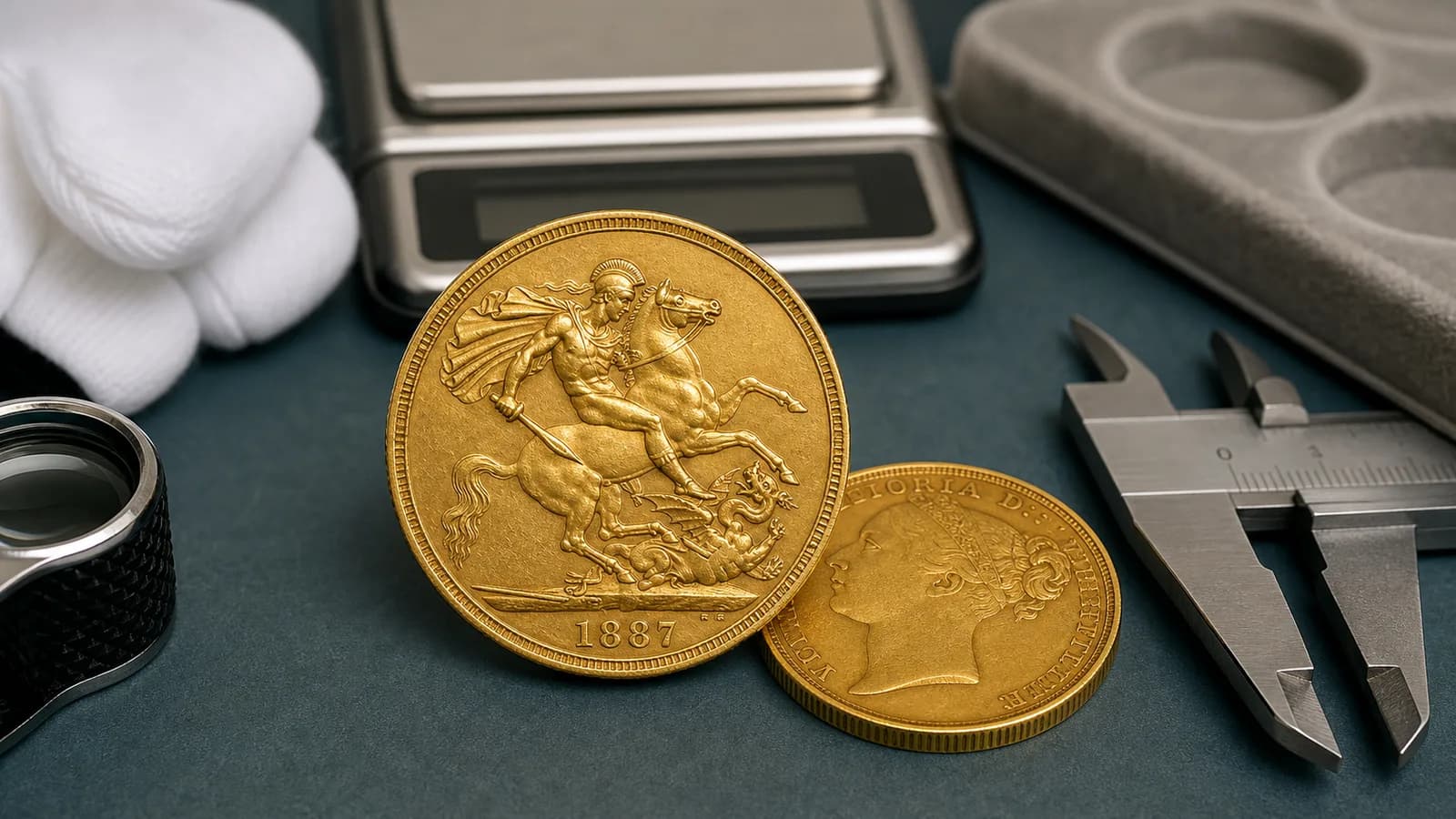
A sovereign's value is not gold weight alone. Issue, authenticity and condition separate metal value from collector value, and both are checked.
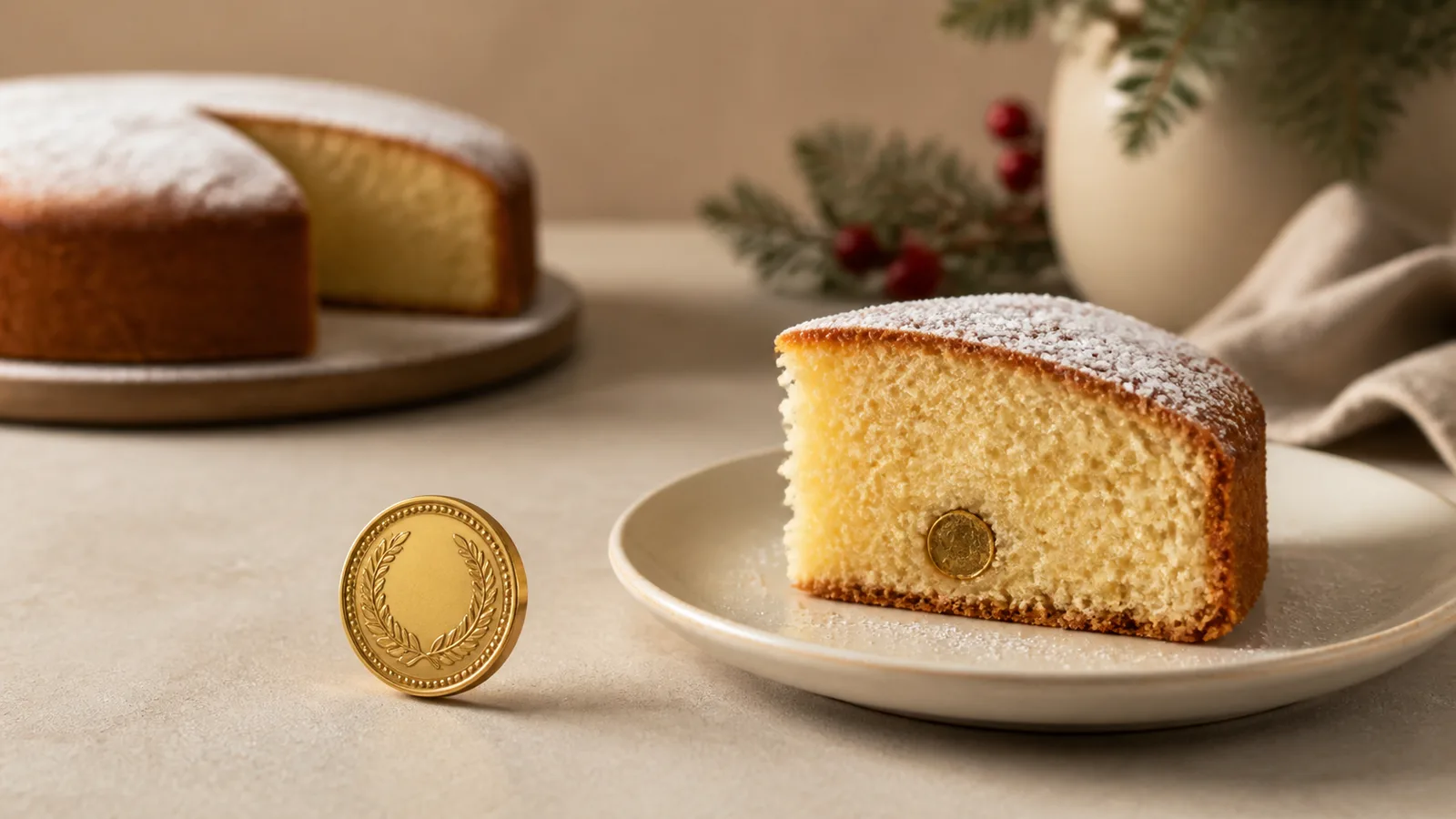
A sovereign found in a Vasilopita may carry metal or collector value. What gets checked for authenticity and condition before any offer is made.
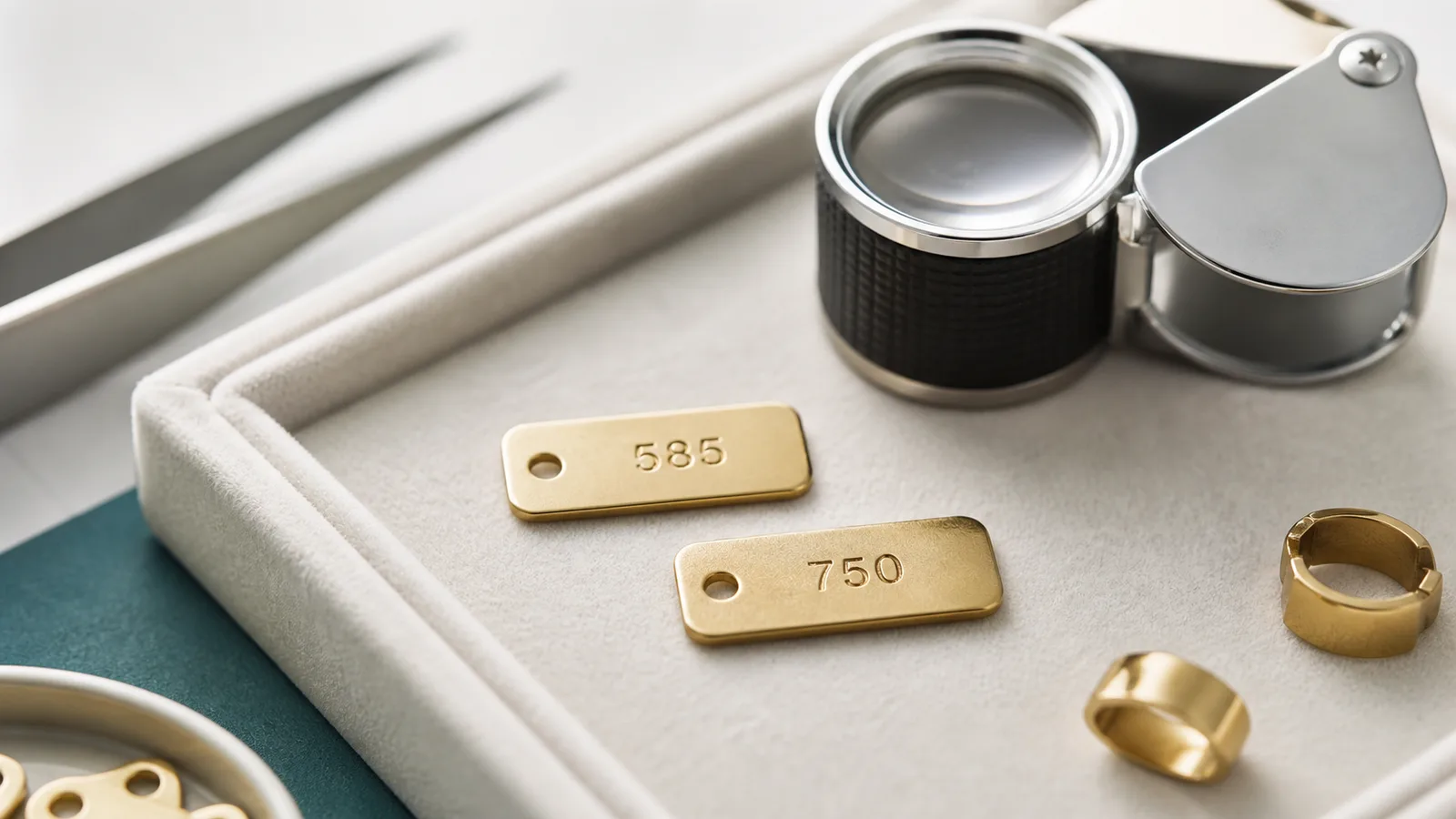
585 means 58.5% gold and 750 means 75%. Why a hallmark is a starting point for identification, not proof of purity or authenticity.
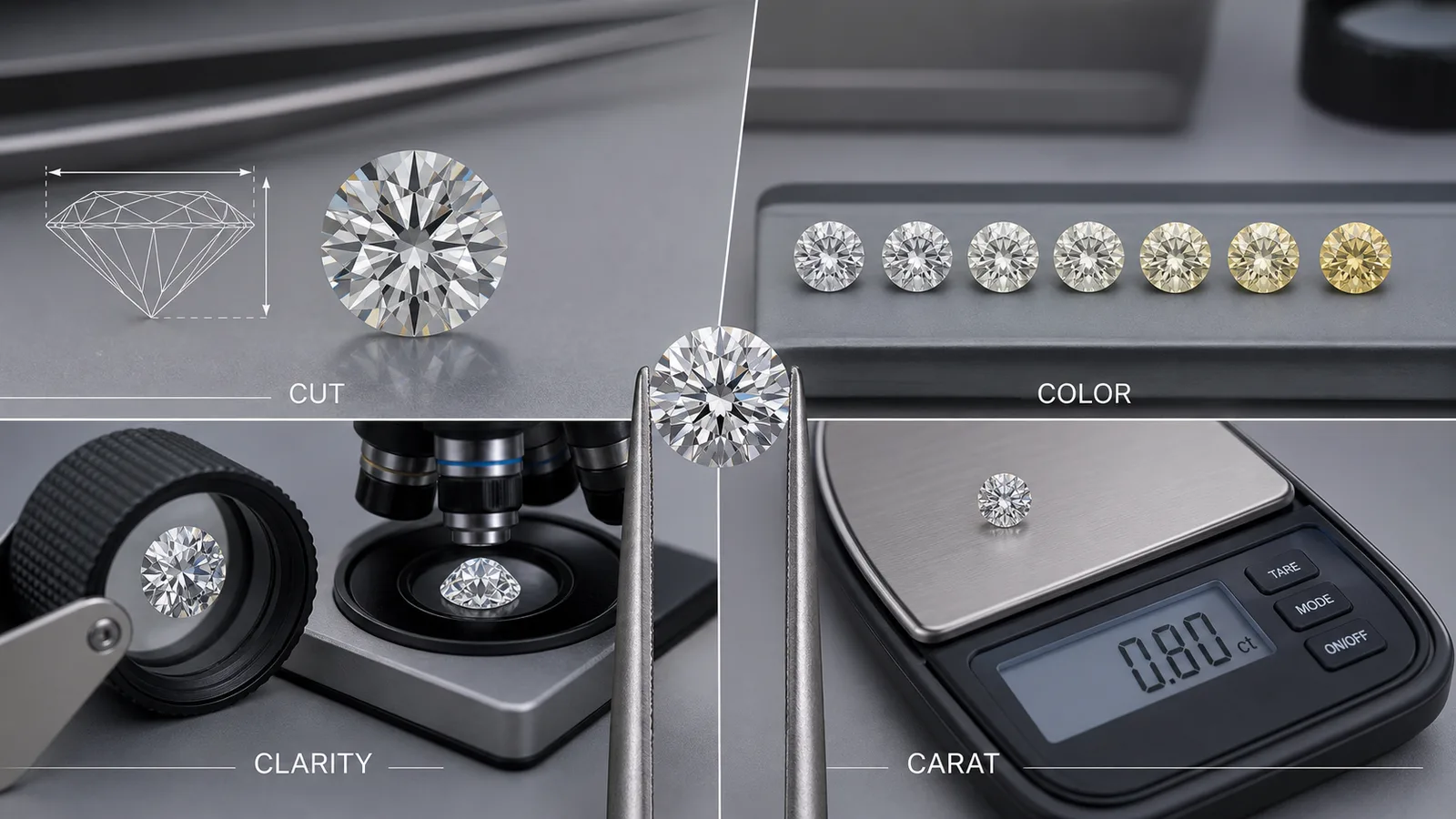
Carat, colour, clarity and cut organise how a diamond is described, but certificate, condition and the market decide what it is finally worth.
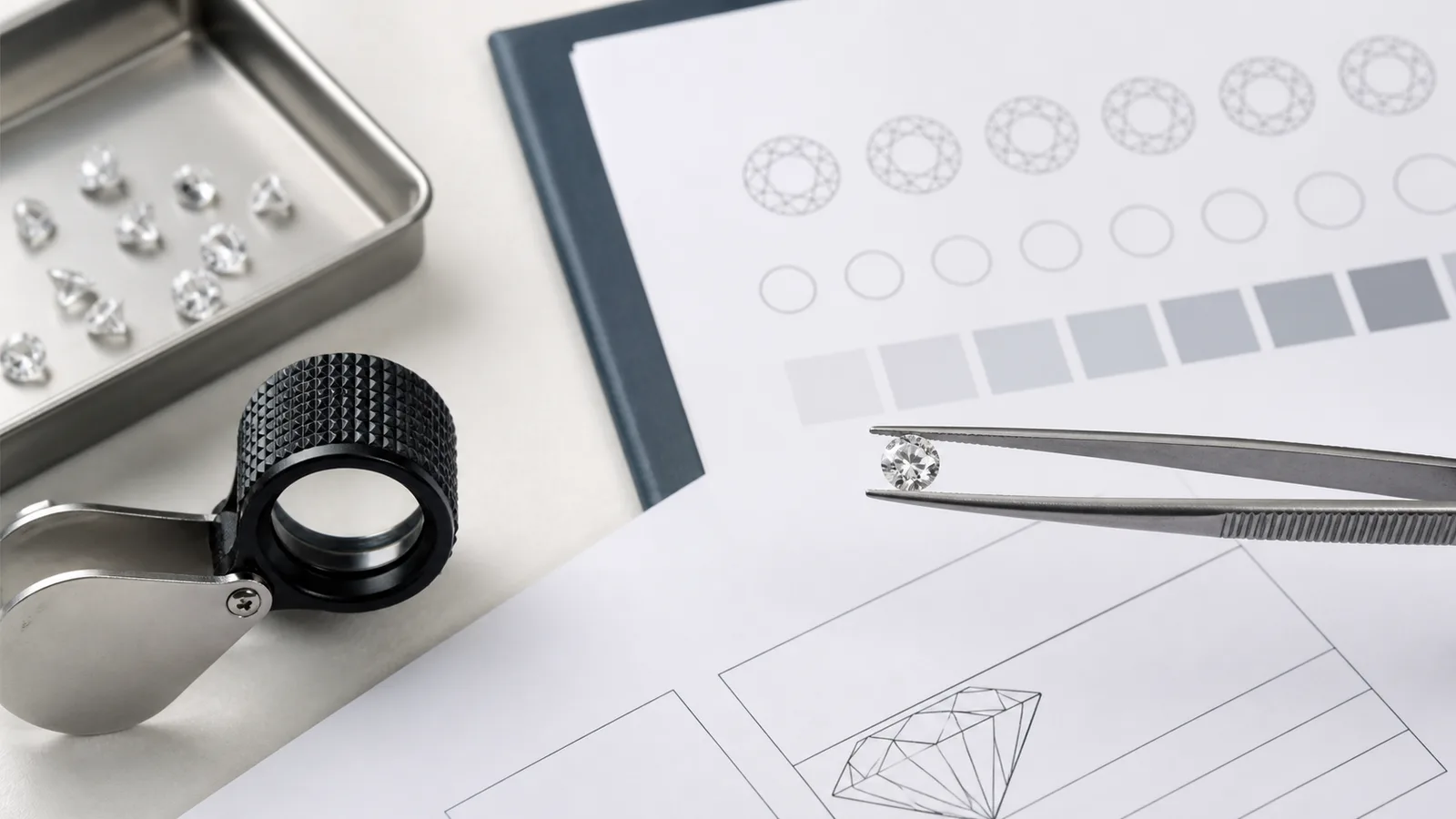
Two diamonds of equal weight are not worth the same. How cut, colour, clarity, certificate and setting move the price per carat.

An ID card or passport, nothing else. What is recorded when we buy gold, why, and what you keep afterwards.