White and rose gold: how they are appraised
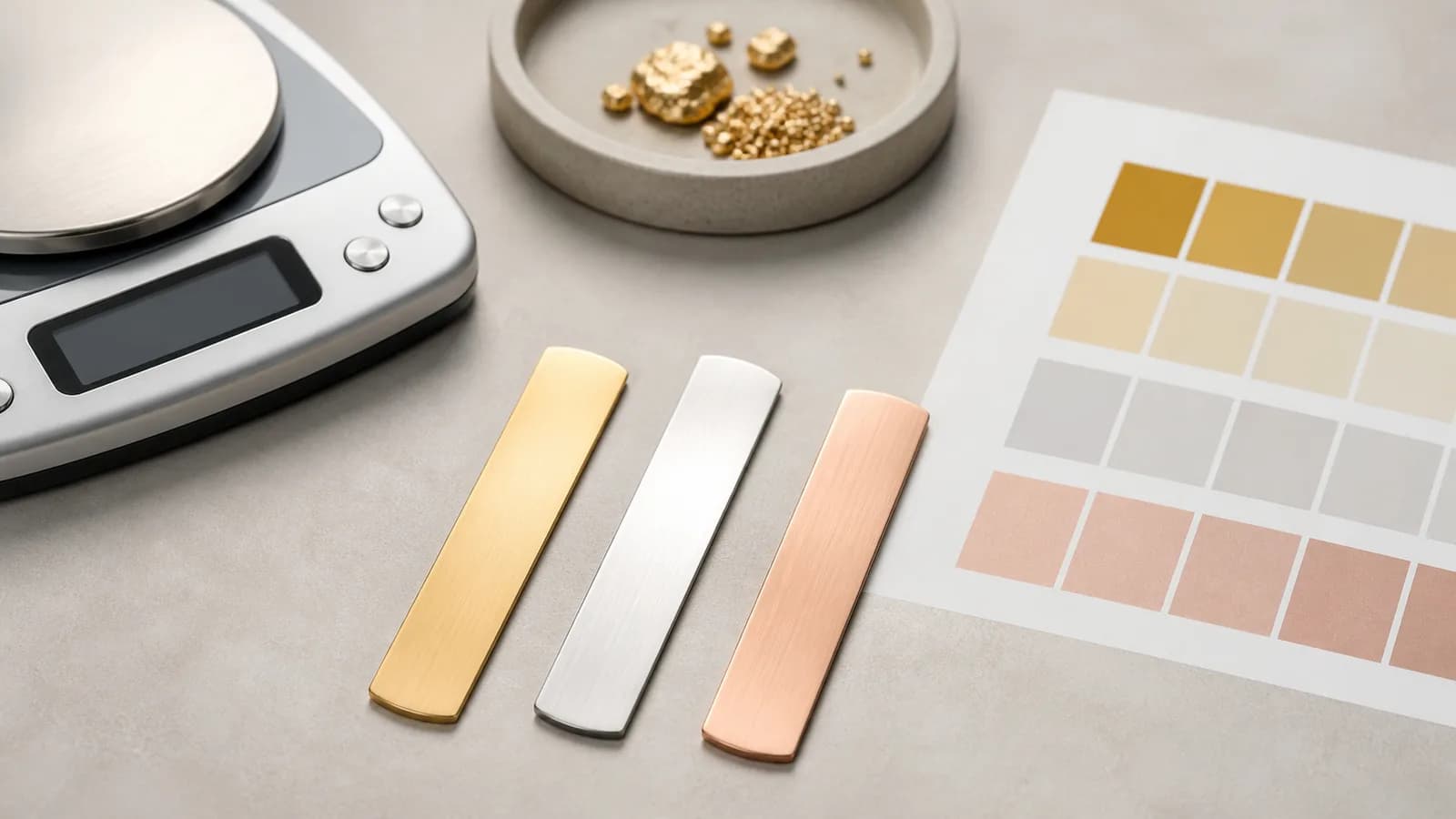
White and rose gold are appraised by purity and net gold weight, not only by the item’s colour.
What colour means in an alloy
Colour comes from combining gold with other metals. White gold may have surface plating, while rose gold gets its tone from the alloy composition.
Why purity remains central
Purity indicates how much gold the alloy contains. A 585 or 750 mark is useful but should be confirmed and combined with net weight because total weight can include stones and fittings.
When maker or design matters
A distinctive design or recognized maker may add commercial value. This is not established by colour alone and requires evidence, condition, and demand.
How testing works
Marks, weight, purity, condition, and possible plating are examined. Photos support initial identification, but final appraisal requires the item itself.
FAQs
- Is white gold worth less than yellow gold?
- Not necessarily. Value mainly depends on purity, net weight, and transaction terms.
- How can I see the karat?
- It may appear in a hallmark, but the mark should be confirmed through testing.
- Does plating add value?
- It affects the surface and appearance but does not by itself increase the amount of pure gold.
Related articles
- Selling gold jewellery: a practical guide
What sets the offer on gold jewellery: purity, net weight, stones, branded design and documents, and why the price is settled only after inspection.
- Gold 585 and 750: what the hallmarks mean
585 means 58.5% gold and 750 means 75%. Why a hallmark is a starting point for identification, not proof of purity or authenticity.
- Silverware: how the value is calculated
Purity, weight, condition and set completeness decide what silverware is worth, not appearance. How a silverware appraisal is actually read.