Gemstones: how appraisal works
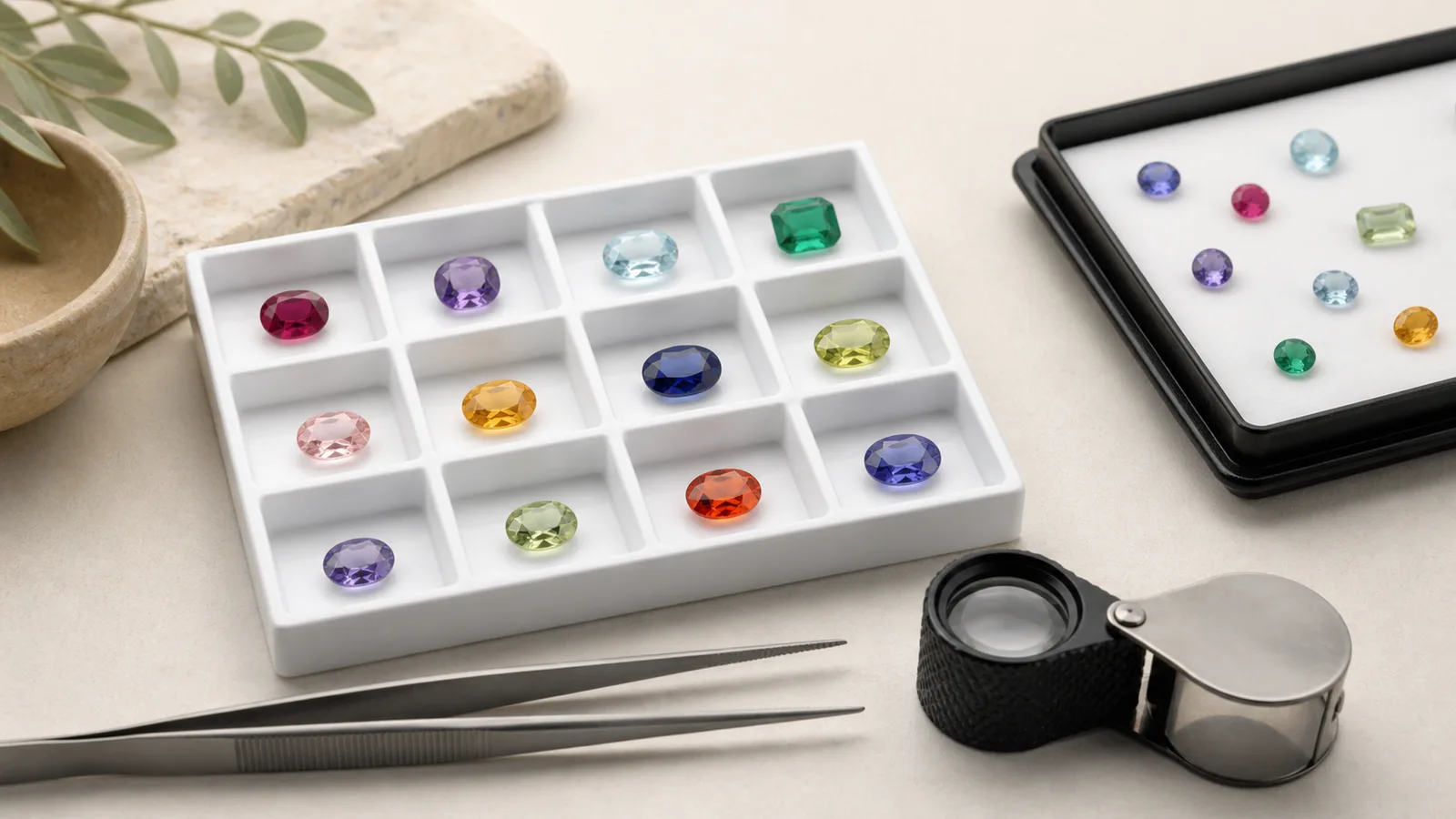
Gemstone appraisal requires identifying the stone type, weight, quality, possible treatments, certificate, and the setting when mounted in jewellery.
What is checked
The type, colour, transparency, cut, wear, weight, and signs of treatment are examined. Assessment differs between natural, synthetic, and treated stones.
Why treatments affect value
Heat treatment, filling, or other interventions can affect commercial value. Treatment should not be inferred from one photograph.
The role of a certificate
A certificate can describe characteristics and support identification. Check that it belongs to the same stone and matches the item.
How to send photos
Send close and wider images in natural light, without filters. Photos support an initial conversation, but final appraisal requires the stone or jewellery itself.
FAQs
- Can a stone be appraised from a photo?
- An initial identification may be possible, but not a reliable final assessment of type and value.
- Does the jewellery setting matter?
- Yes. The stone, metal, and condition of the setting are assessed separately.
- Which stones are accepted?
- Acceptance depends on type, documentation, condition, and the inspection process.
Related articles
- Diamonds and the 4Cs: what affects value
Carat, colour, clarity and cut organise how a diamond is described, but certificate, condition and the market decide what it is finally worth.
- Diamond price per carat: what changes the value
Two diamonds of equal weight are not worth the same. How cut, colour, clarity, certificate and setting move the price per carat.
- Ruby, emerald and sapphire: how they are appraised
Colour and size are not enough. What is examined in a ruby, emerald or sapphire: treatment, cut, clarity, documented origin and setting.