What is my Rolex, Omega or Cartier watch worth?
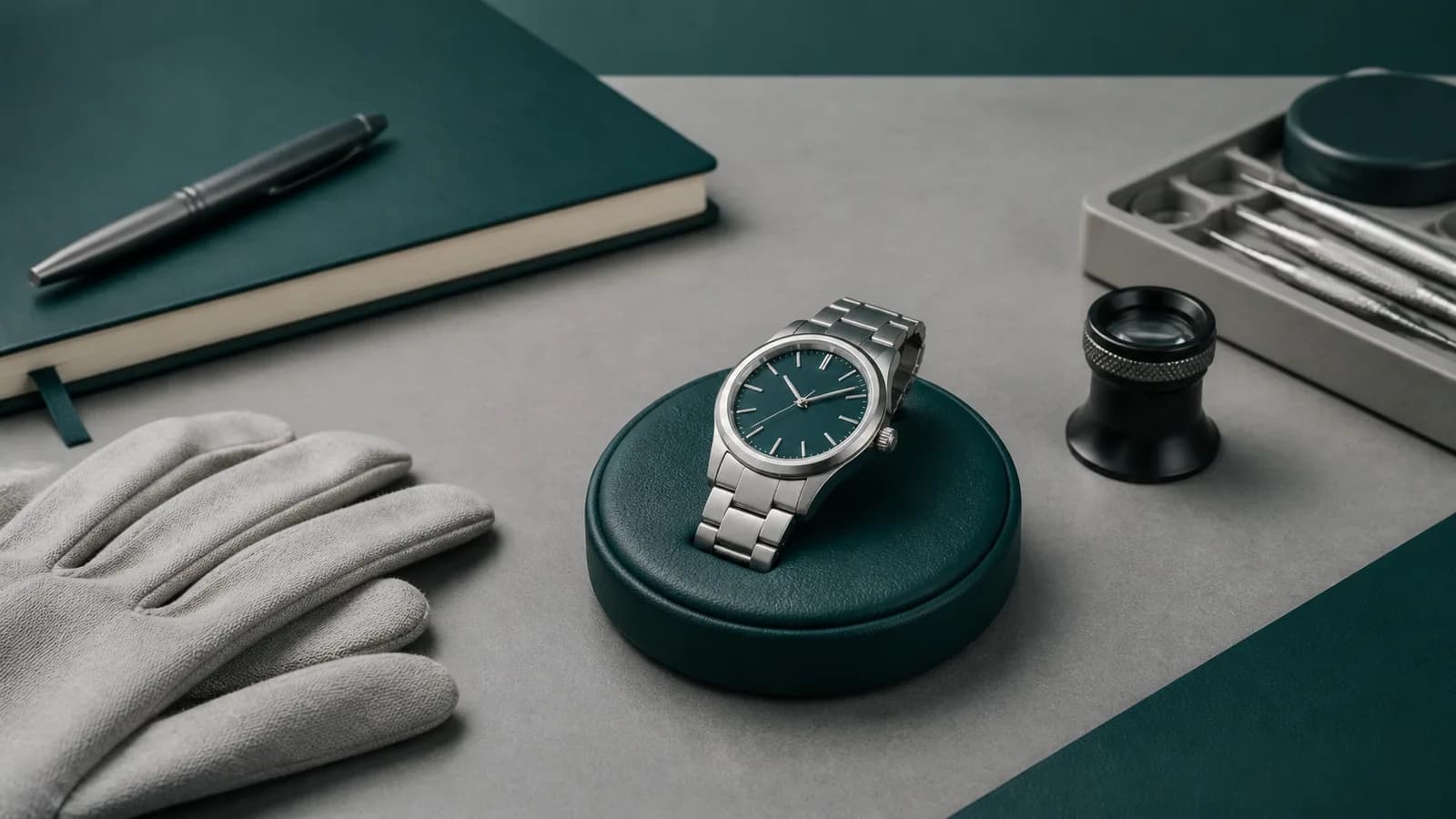
A branded watch’s value depends on brand, model, reference, condition, box, papers, service history, and secondary-market demand. A reliable final value cannot be based on the brand name alone.
Details needed for an initial appraisal
Useful information includes the brand, reference number, serial number where relevant, diameter, movement, condition, and photographs of the dial, case, and bracelet. Avoid exposing personal information in photos.
How the box and papers matter
Original packaging, purchase documents, and service history help with identification and documentation. Their absence does not make a watch worthless, but it can increase uncertainty and affect an offer.
What can reduce value
Deep wear, non-original parts, unknown repairs, moisture, or unclear provenance may reduce commercial value. Function and authenticity should be assessed separately.
When a physical inspection is needed
A physical inspection is appropriate before a sale, when evidence conflicts, or when the watch may be valuable. Photos support an initial view but cannot confirm the movement and authenticity.
FAQs
- Can a watch be appraised without papers?
- An initial assessment may be possible, but missing papers increase the need for physical inspection and supporting evidence.
- What is a reference number?
- It is a code used to identify a specific model and its variation.
- How much does service history matter?
- Documented service can help, while unknown or undocumented work requires additional inspection.
Related articles
- Selling gold jewellery: a practical guide
What sets the offer on gold jewellery: purity, net weight, stones, branded design and documents, and why the price is settled only after inspection.
- Silverware: how the value is calculated
Purity, weight, condition and set completeness decide what silverware is worth, not appearance. How a silverware appraisal is actually read.
- Gold coins: how a collection is appraised
A collection is appraised coin by coin. Metal, weight, authenticity, condition, year and demand: why not every old coin carries the same value.